



End-of-Line Inspection Systems – Checkweighers, Metal Detectors & X-Ray for Production Lines
End-of-line inspection systems are the final quality gate in any production process — verifying that every product leaving the line meets weight, contamination, and integrity standards before it reaches the customer. Our range covers the full spectrum of inline inspection technology: high-speed checkweighers for weight verification and compliance, metal detectors for ferrous, non-ferrous, and stainless steel contamination detection, X-ray inspection systems for foreign body detection and fill level verification, and combination systems that integrate multiple inspection functions into a single inline unit.
In food production, pharmaceuticals, and manufacturing, end-of-line inspection is not optional — it is a regulatory and commercial necessity. Checkweighers ensure every pack is within legal weight tolerances, protecting you from short-weight complaints and trading standards enforcement. Metal detectors and X-ray systems detect contamination that could cause serious harm to consumers and catastrophic damage to brand reputation. Data logging and statistical process control (SPC) outputs from modern inspection systems also provide the traceability documentation required by retailers, auditors, and certification bodies including BRC, IFS, and SQF.
Our inspection systems are sourced from leading manufacturers and are available in a range of throughput speeds, conveyor widths, and sensitivity specifications to suit production lines from small-batch artisan operations to high-volume automated facilities. Our technical team can advise on system selection, integration with existing conveyors and packaging lines, and validation and qualification support for regulated industries.
Inspection Systems Available
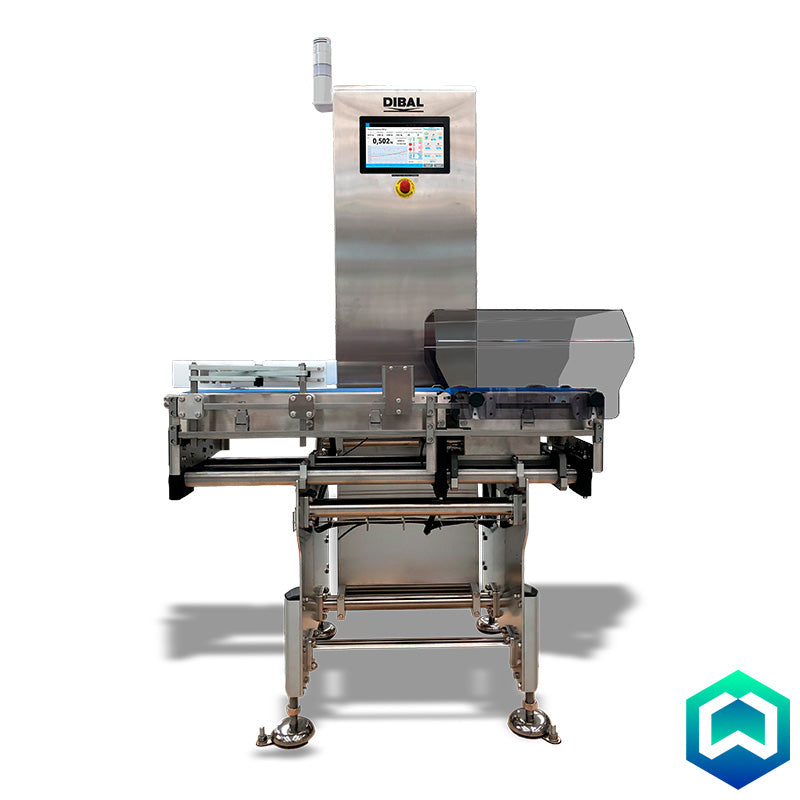
- Checkweighers — high-speed inline weight verification with over/under rejection for production line compliance
- Metal detectors — ferrous, non-ferrous, and stainless steel contamination detection for food, pharma, and manufacturing
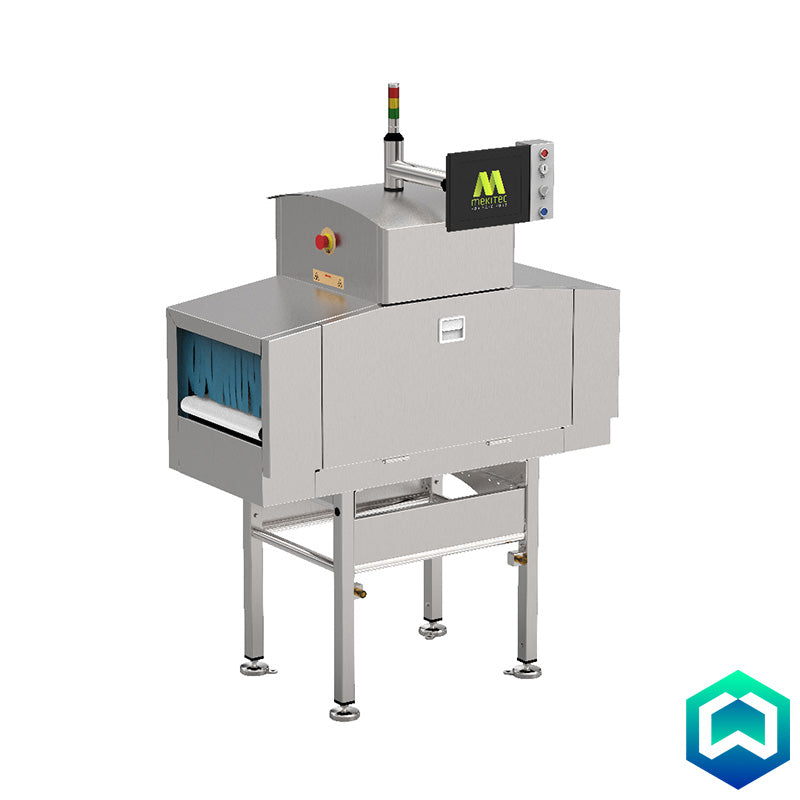
- X-ray inspection systems — foreign body detection, fill level verification, and seal integrity checking
- Combination systems — integrated checkweigher and metal detector or X-ray units for comprehensive inline inspection
Key Features
- High-speed throughput — systems available for production rates from a few packs per minute to hundreds per minute
- Automatic rejection — non-compliant products diverted without stopping the line
- Statistical process control (SPC) outputs for real-time production monitoring and trend analysis
- Data logging and traceability for retailer, auditor, and certification body compliance
- Washdown-rated construction — IP65 and IP69K options for food and pharmaceutical hygiene requirements
- Touchscreen HMI with product memory for fast changeover between product runs
- Integration with packaging lines — conveyor, reject, and alarm outputs for seamless line integration
Common Applications
- Food production — weight compliance, metal detection, and foreign body inspection for retail and foodservice supply
- Pharmaceutical manufacturing — tablet, capsule, and pack weight verification and contamination detection
- Bakery and confectionery — portion control and foreign body detection in high-speed production
- Meat, poultry, and seafood processing — bone fragment and metal detection in wet environments
- Packaging and contract packing — weight verification and seal integrity checking
- Chemical and industrial manufacturing — fill weight verification and contamination detection
All inspection systems are sourced from leading manufacturers including Dibal, RADWAG, and Mekitec, and are available with full validation documentation on request. Contact our technical team for advice on system selection, throughput requirements, and integration with your existing production line.
Frequently Asked Questions
What is the difference between a checkweigher and a metal detector?
A checkweigher verifies the weight of each product as it passes along the production line, automatically rejecting packs that are over or under the specified weight tolerance. A metal detector detects metallic contamination — ferrous, non-ferrous, and stainless steel — within the product or packaging, rejecting any contaminated items. The two systems address different quality risks and are often used together, either as separate units or as an integrated combination system, to provide both weight compliance and contamination protection in a single pass.
What can X-ray inspection detect that a metal detector cannot?
X-ray inspection systems can detect a much wider range of contaminants than metal detectors, including glass, bone, stone, dense plastics, and rubber — materials that are invisible to metal detection. X-ray systems can also verify fill levels, detect missing or broken product components, check seal integrity, and identify voids or clumping within sealed packs. For products in metallised film packaging (which blocks metal detector signals), X-ray is the only viable inline inspection method. Metal detectors remain the most cost-effective solution for detecting metallic contamination in non-metallised packaging.
What throughput speeds are available?
Our range covers production rates from around 20 packs per minute for small-batch or artisan operations up to several hundred packs per minute for high-volume automated lines. The correct system depends on your conveyor speed, pack size, and product weight — contact our team with your production rate and pack dimensions for a recommendation on the appropriate system specification.
Are inspection systems suitable for wet or washdown environments?
Yes. Many systems in our range are available with IP65 or IP69K-rated washdown construction, making them suitable for food processing environments where regular high-pressure cleaning is required. Stainless steel frames, sealed electronics, and hygienic conveyor designs ensure the system can be cleaned to food safety standards without damage. Confirm the IP rating and hygiene specification required for your application when enquiring — our team can advise on the appropriate construction for your environment.
What data and traceability outputs do inspection systems provide?
Modern inspection systems log weight readings, rejection events, and production statistics in real time, providing the traceability data required by major retailers and certification bodies including BRC, IFS, and SQF. Data can typically be exported via USB, Ethernet, or direct integration with factory MES and ERP systems. Statistical process control (SPC) outputs allow production managers to monitor weight trends and identify process drift before it results in non-compliant product. Contact our team for advice on data output options and system integration for your facility.