


Control & Automation Weighing – PLC-Integrated Weighing Systems for Process Control
Control and automation weighing systems go beyond simple weight display — they feed live, accurate weight data directly into your PLC, SCADA, DCS, or process controller to drive automated decisions: opening and closing valves, starting and stopping conveyors, triggering alarms, controlling batching sequences, and logging production data without operator intervention. By integrating weighing directly into your automation architecture, you eliminate manual recording errors, reduce cycle times, and achieve the repeatability and traceability that modern process control demands.
Our range covers all the key components required to build a fully integrated weighing and automation system: load cells for tanks, silos, vessels, and platforms; digital weight transmitters with 4–20 mA, Modbus RTU, Profibus DP, and EtherNet/IP outputs for direct PLC integration; weight indicators and process controllers with relay, analogue, and fieldbus outputs; equalisation junction boxes for multi-cell signal conditioning; and mounting hardware for permanent installation. Whether you are integrating a single tank into an existing PLC programme or engineering a multi-vessel batching system from the ground up, our technical team can advise on the correct specification for your control architecture and communication requirements.
ATEX-certified equipment is available throughout the range for hazardous area installations in Zone 1, Zone 2, Zone 21, and Zone 22 — covering chemical processing, pharmaceutical manufacturing, fuel storage, and any environment where flammable gases, vapours, or combustible dusts may be present. All components are sourced from leading manufacturers and are available with UKAS-traceable calibration certificates on request.
System Components Available
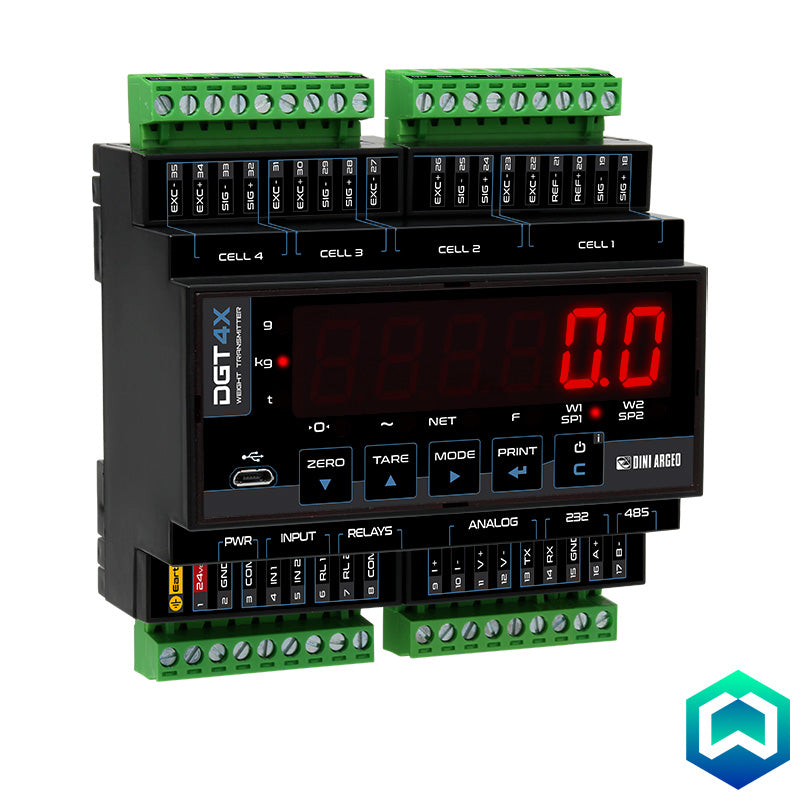
- Digital weight transmitters — 4–20 mA, Modbus RTU, Profibus DP, and EtherNet/IP outputs for direct PLC and SCADA integration
- Weight indicators and process controllers — with relay, analogue, and fieldbus outputs for batching, dosing, and alarm control
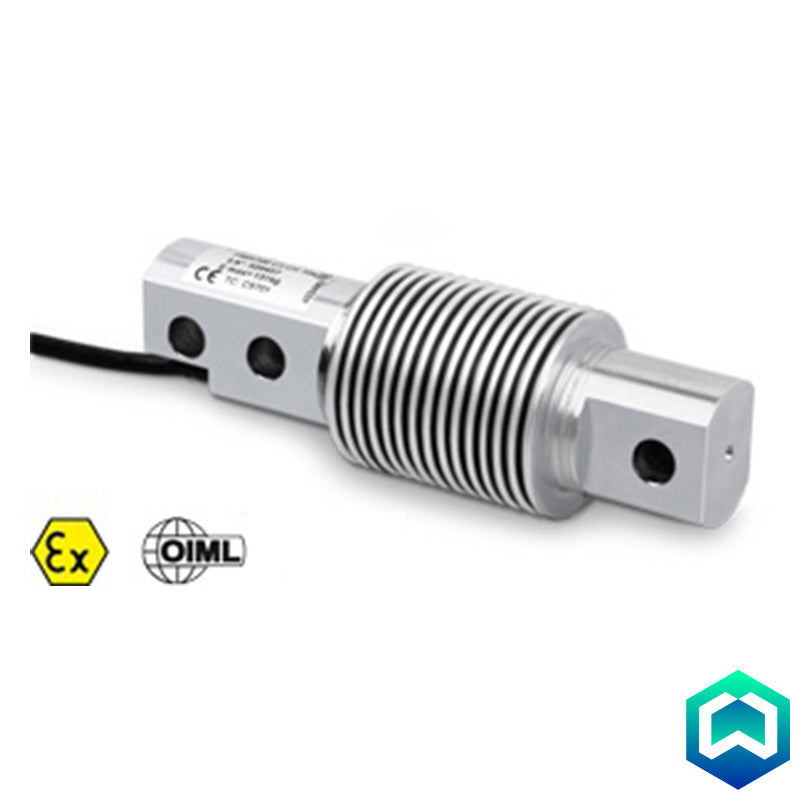
- Tank, silo, and vessel load cells — compression and tension types for permanent process weighing installations
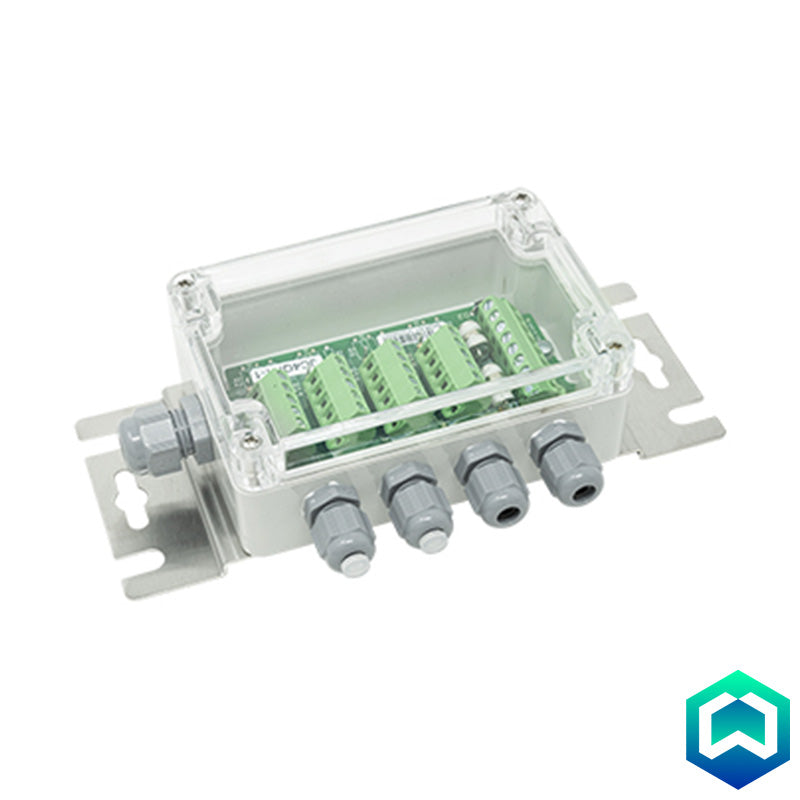
- Equalisation junction boxes — multi-cell signal summing and corner correction for accurate system output
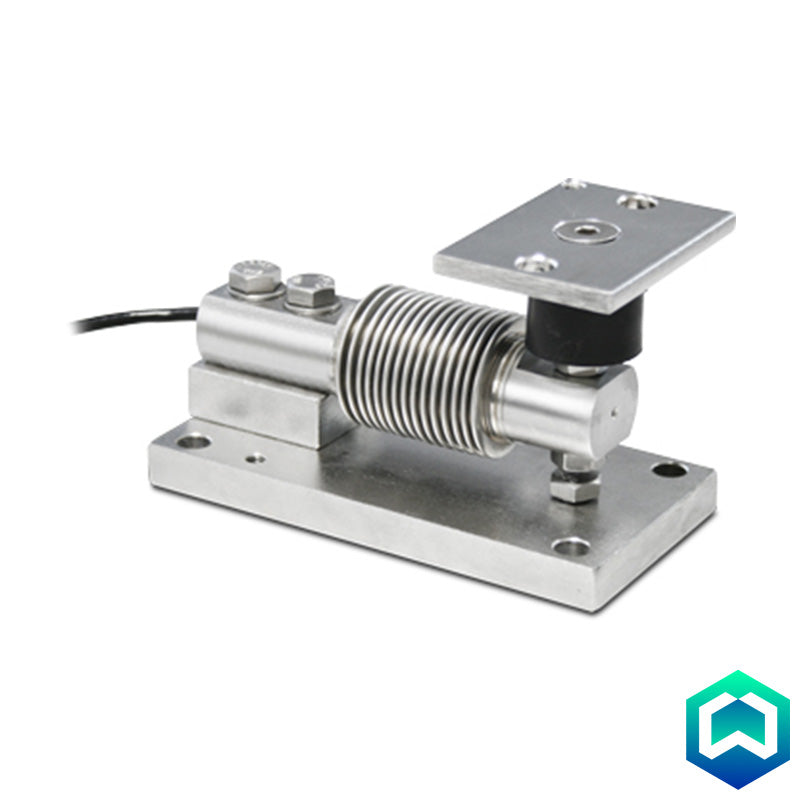
- Load cell mounting modules — compression feet, rocker pin, and self-aligning mounts for permanent vessel installations
- ATEX-certified components — for Zone 1, 2, 21, and 22 hazardous area process weighing
Key Features
- Direct PLC integration via 4–20 mA, Modbus RTU, Profibus DP, EtherNet/IP, and RS-485 communication
- Relay and analogue outputs for valve control, conveyor interlocking, and alarm triggering
- Batching and dosing control — weight-triggered setpoint outputs for automated ingredient addition
- Real-time weight data to SCADA for live process monitoring, trending, and data logging
- Remote configuration and calibration via fieldbus or PC software without physical access to the device
- ATEX-certified options for hazardous area process control installations
- IP65 and IP67-rated construction for industrial and outdoor process environments
- UKAS-traceable calibration available for all load cells and weighing instruments
Common Applications
- Automated batching and dosing — weight-triggered valve and pump control for ingredient addition
- Tank and silo inventory monitoring — continuous weight data to SCADA for stock management
- Loss-in-weight and gain-in-weight process control — feed rate monitoring and control
- Conveyor and hopper weighing integrated with PLC-controlled production lines
- Reactor and vessel weighing in chemical and pharmaceutical process control
- Checkweighing and fill weight verification integrated with packaging line PLCs
- Hazardous area process weighing in ATEX-classified chemical and pharmaceutical plants
Contact our technical team for advice on system design, PLC communication protocol selection, load cell specification, and integration support for your control architecture.
Frequently Asked Questions
How does a weighing system integrate with a PLC?
A digital weight transmitter or weight indicator converts the load cell signal into a standardised output that the PLC can read directly. The most common method is a 4–20 mA analogue signal, where the current level corresponds to the weight reading — this is simple, noise-immune, and compatible with virtually all PLCs. For more advanced integration, digital fieldbus protocols such as Modbus RTU (RS-485), Profibus DP, or EtherNet/IP allow the PLC to read weight values, tare commands, and status information digitally, and to write setpoints and configuration parameters back to the transmitter. The correct protocol depends on your PLC make and model and your existing network infrastructure — contact our team for compatibility advice.
What communication protocols are supported?
Our range of digital weight transmitters and process controllers supports 4–20 mA analogue output, Modbus RTU (RS-485), RS-232 serial, Profibus DP, and EtherNet/IP — covering the most widely used industrial communication standards across Siemens, Allen-Bradley, Mitsubishi, Schneider, and other major PLC platforms. If you are unsure which protocol to specify, contact our team with your PLC make and model and we will advise on the most suitable transmitter for your system.
Can I use relay outputs for valve and conveyor control?
Yes. Most weight indicators and process controllers in our range include configurable relay outputs that can be assigned to weight setpoints — for example, opening a fill valve when the vessel weight is below a target, and closing it when the target is reached. Relay outputs can also be used for high/low alarms, overload protection, and conveyor interlocking. For more precise control — such as dribble feed batching or loss-in-weight dosing — analogue or fieldbus outputs feeding a PLC are typically preferred, as they allow more sophisticated control logic to be implemented in the PLC programme.
What is the difference between a weight transmitter and a weight indicator for PLC integration?
A digital weight transmitter is a compact, panel or DIN-rail mounted device with no display, designed purely to convert the load cell signal into a PLC-compatible output. It is the preferred choice when weight data needs to feed directly into a control system and no local operator display is required. A weight indicator includes a display and operator interface, and typically also provides process outputs (relay, analogue, or fieldbus) for PLC integration — making it suitable when both local weight display and process integration are needed. Both approaches are valid; the choice depends on whether a local display is required at the weighing point.
Is ATEX-certified equipment available for hazardous area process control?
Yes. We supply ATEX-certified load cells, junction boxes, weight transmitters, and indicators approved for Zone 1, Zone 2 (gas and vapour hazards) and Zone 21, Zone 22 (combustible dust hazards). This covers process weighing and automation in chemical plants, pharmaceutical facilities, fuel storage, and grain handling environments. Contact our technical team before specifying equipment to confirm the correct zone classification, equipment category, gas group, and communication protocol for your installation.