


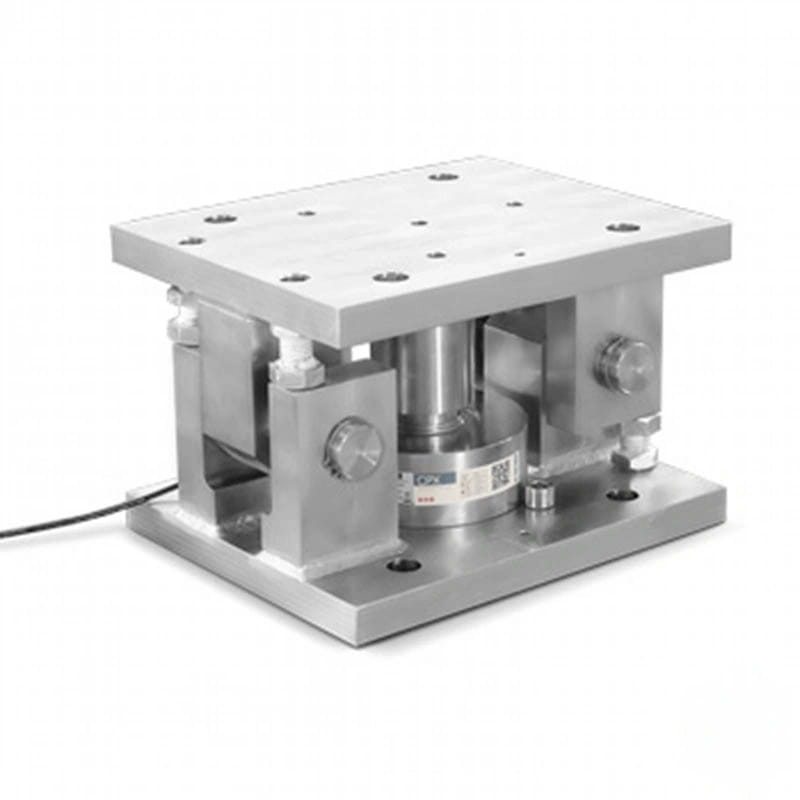
Tank, Silo & Vessel Weighing Systems – Accurate Bulk Storage Weight Monitoring
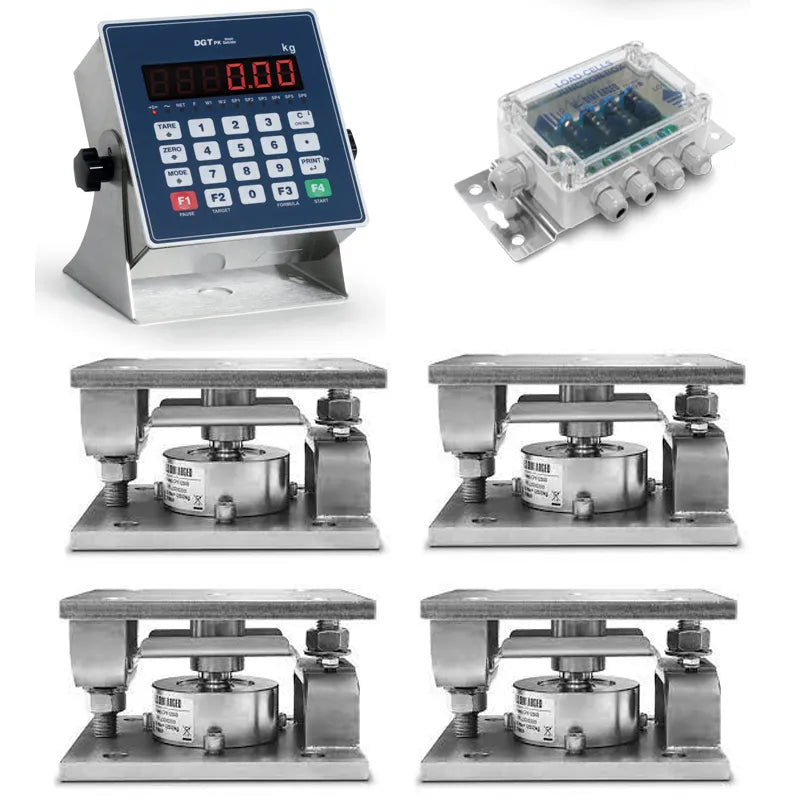
Tank, silo, and vessel weighing systems provide continuous, real-time weight measurement of bulk storage containers — enabling accurate inventory management, process control, and material handling across a wide range of industries. By mounting precision load cells beneath or around a tank, silo, or vessel, the entire structure becomes a weighing instrument, delivering live weight data to an indicator or process controller without the need to empty or disturb the contents.
Unlike level sensors that infer quantity from volume, direct weighing gives you true mass measurement regardless of material density, temperature, or fill behaviour — making it the most reliable method for inventory control, batching, and loss-in-weight applications. Our range covers complete system components including compression and tension load cells, equalisation junction boxes, weight indicators, and mounting hardware, as well as fully engineered systems for new installations and retrofits. ATEX-certified equipment is available throughout the range for hazardous area installations in Zone 1, Zone 2, Zone 21, and Zone 22 — covering chemical processing, pharmaceutical manufacturing, fuel storage, and grain handling environments.
Systems can be configured for tanks from a few hundred kilograms to hundreds of tonnes, with three or four load cell arrangements being the most common for cylindrical and rectangular vessels. Our technical team can advise on load cell selection, mounting arrangements, junction box configuration, and indicator specification to suit your vessel geometry, capacity, and process requirements.
Key Features
- Direct mass measurement — true weight data unaffected by material density, temperature, or fill behaviour
- Real-time inventory monitoring for accurate stock control and consumption tracking
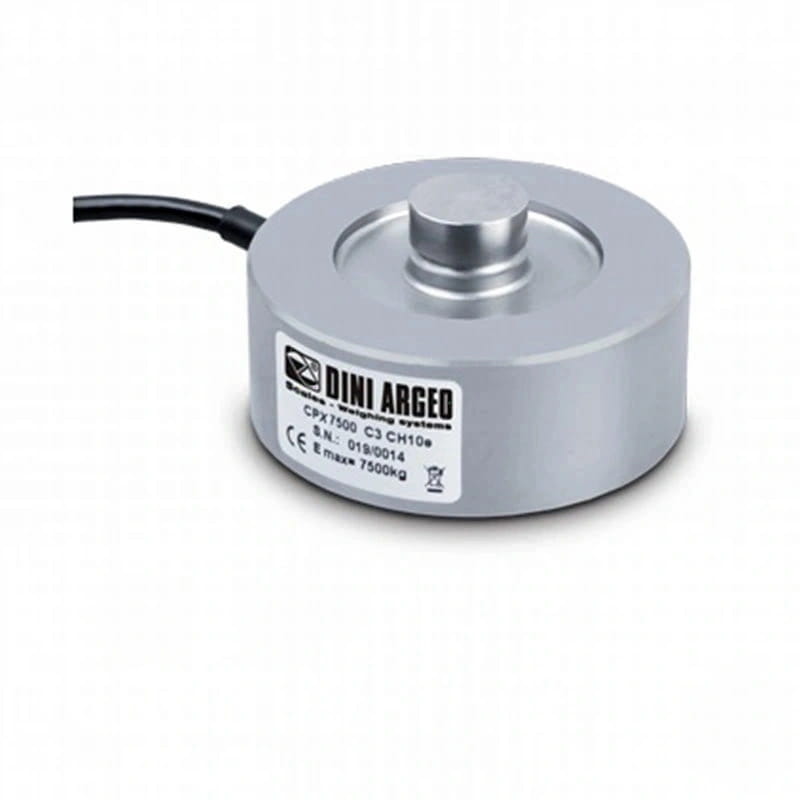
- Compression and tension load cell options to suit different vessel types and mounting arrangements
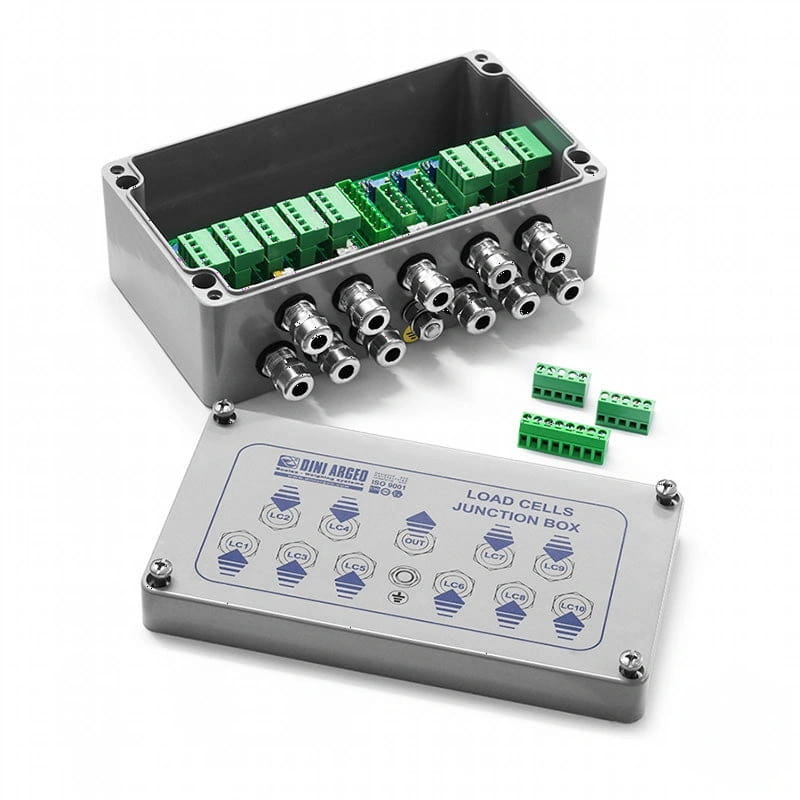
- Equalisation junction boxes for multi-cell signal balancing and corner adjustment
- ATEX-certified components for Zone 1, 2, 21, and 22 hazardous area installations
- Stainless steel and IP-rated construction for hygienic, washdown, and outdoor environments
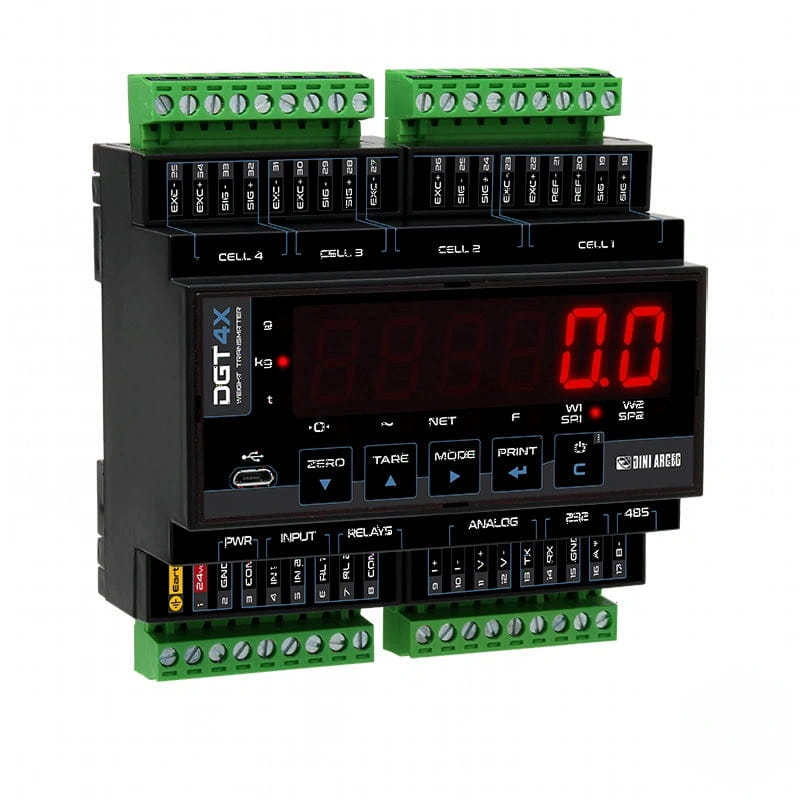
- Process control outputs — relay, 4–20 mA, and digital interfaces for PLC and SCADA integration
- Retrofit-compatible — systems can be designed around existing vessels and structures
Common Applications
- Bulk liquid storage — chemicals, solvents, fuels, water, and food-grade liquids
- Silo weighing — grain, flour, powder, pellets, and bulk solid materials
- Reactor and process vessel weighing in chemical and pharmaceutical manufacturing
- Batching and dosing — accurate ingredient addition by weight for process control
- Loss-in-weight monitoring for consumption tracking and feed rate control
- Hopper and bin weighing in food processing, plastics, and aggregate industries
- Hazardous area tank and silo weighing in ATEX-classified zones
All system components are sourced from leading manufacturers and are available with UKAS-traceable calibration certificates on request. Contact our technical team for advice on system design, load cell selection, and installation support for your specific application.
Frequently Asked Questions
How does a tank or silo weighing system work?
A tank or silo weighing system works by supporting the vessel on a set of load cells — typically three or four — positioned at the base or suspension points of the structure. Each load cell measures the portion of the total load acting on it, and these signals are combined in an equalisation junction box before being passed to a weight indicator or controller. The indicator displays the total weight of the vessel contents in real time, and can be configured to trigger alarms, control valves, or feed data to a PLC or SCADA system.
How many load cells do I need for a tank or silo?
Most cylindrical tanks and silos use three load cells arranged in a triangular pattern, which provides a stable, statically determinate support structure. Rectangular vessels typically use four load cells, one at each corner. The number of cells required depends on the vessel geometry, capacity, and structural design — our technical team can advise on the correct configuration for your application.
What is the advantage of weighing over level measurement?
Level sensors measure the height of material in a vessel and infer quantity from volume — which means accuracy depends on knowing the exact density of the material, which can vary with temperature, moisture content, and particle size. Direct weighing measures true mass regardless of these variables, giving you accurate inventory data even when material properties change. Weighing is also unaffected by foam, dust, or uneven fill profiles that can cause errors in ultrasonic or radar level sensors.
Can a weighing system be retrofitted to an existing tank or silo?
Yes. Retrofit tank and silo weighing systems are a common application. The vessel is temporarily supported while load cell mounting feet are installed, then lowered onto the load cells. The junction box, cabling, and indicator are then connected and the system commissioned. Our technical team can assess your existing structure and recommend a suitable mounting arrangement — contact us with your vessel dimensions, capacity, and site conditions for advice.
Is ATEX-certified equipment available for hazardous area tank weighing?
Yes. We supply ATEX-certified load cells, junction boxes, and weight indicators approved for Zone 1, Zone 2 (gas and vapour hazards) and Zone 21, Zone 22 (combustible dust hazards). This covers tank and silo weighing in chemical plants, pharmaceutical facilities, fuel storage, and grain handling environments. Contact our technical team before specifying equipment to confirm the correct zone classification, equipment category, and gas group for your installation.